
• what to do with leftover rotisserie chicken
• leftover rotisserie chicken meal ideas
• easy dinners with leftover rotisserie chicken
• quick meals using rotisserie chicken
• how to use leftover rotisserie chicken
Leftover rotisserie chicken is one of the easiest ways to get dinner on the table quickly. Since the chicken is already cooked, you can skip the most time-consuming part of preparing a meal.
With leftover rotisserie chicken, simple ingredients can turn into a full dinner in minutes. Shredded chicken works well in tacos, rice bowls, wraps, casseroles, and quick skillet meals.
Instead of starting from scratch, leftover rotisserie chicken gives you a ready-to-use protein that can be mixed with pantry staples for fast and flexible weeknight dinners.
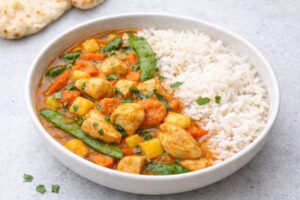
Using leftover rotisserie chicken as a base ingredient is a simple technique that makes weeknight cooking much easier. Because the chicken is already cooked and seasoned, you can quickly add it to different meals without starting from scratch.
Shredded leftover rotisserie chicken pairs well with everyday ingredients like rice, tortillas, pasta, vegetables, and simple sauces. These combinations allow you to build a variety of meals using ingredients you may already have in your kitchen.
This approach helps reduce cooking time, lowers weeknight stress, and makes dinner planning more flexible. One rotisserie chicken can easily stretch into several quick dinners for the whole family.
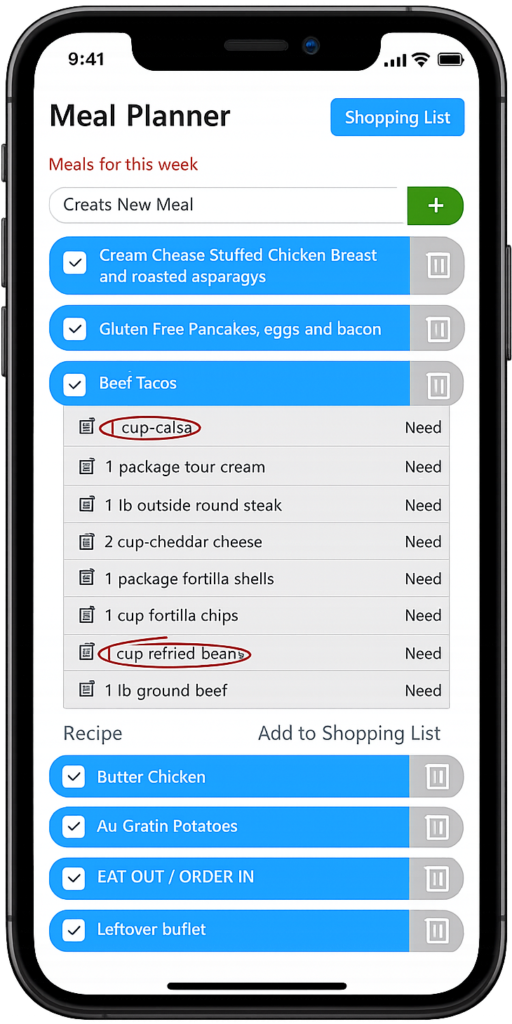
Most recipe websites expect you to screenshot ingredients.
MyGroceryPlan works differently.
You add the meal to your week.
Tap NEED beside ingredients you don’t have.
Your grocery list builds automatically.
• Create your meal plan in minutes
• Send ingredients straight to your grocery list
• Modify recipes instantly
No long-term commitment.
Leftover rotisserie chicken is incredibly versatile and can quickly turn into a wide variety of dinners. Since the chicken is already cooked, you can focus on combining it with different ingredients to create new meals without much effort.
From wraps and pasta dishes to rice bowls and casseroles, leftover rotisserie chicken works well in many simple dinner ideas that are perfect for busy weeknights.
• Rotisserie chicken pasta
• BBQ chicken flatbread
• Chicken taco salad
• Chicken stuffed baked potatoes
• Rotisserie chicken grain bowls
• Rotisserie chicken quesadillas
• Chicken fried rice
• Chicken pesto pasta
• Chicken rice bowls
• Chicken tortilla melts
Leftover rotisserie chicken makes fast weeknight dinners much easier. Because the chicken is already fully cooked, meals can come together in just minutes using simple ingredients.
You can quickly combine leftover rotisserie chicken with rice, pasta, tortillas, or vegetables to build a satisfying dinner without spending a long time in the kitchen.
• Chicken enchilada bake
• Chicken and rice casserole
• Creamy chicken pasta bake
• Chicken vegetable skillet
• Chicken tortilla casserole
One protein → multiple dinners
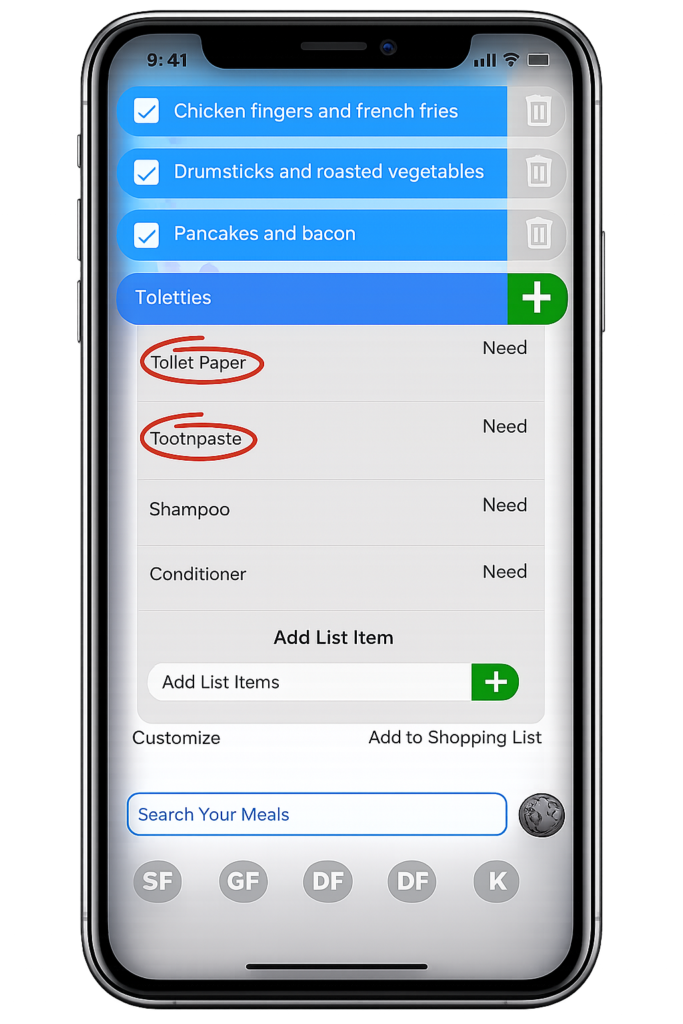
Groceries aren’t just food.
Toothpaste.
Shampoo.
Paper towels.
Laundry detergent.
MyGroceryPlan lets families add
household essentials to the same list
their meals already build.
One list.
Everything you need.
Leftover rotisserie chicken typically lasts 3 to 4 days when stored properly in the refrigerator. Store the chicken in an airtight container and keep it refrigerated at or below 40°F to maintain freshness and food safety.
Yes, leftover rotisserie chicken freezes well. Shred or slice the chicken and place it in airtight freezer bags or containers. It can be stored in the freezer for up to 3 months for best quality.
The best way to store leftover rotisserie chicken is to remove the meat from the bones and place it in airtight containers. Refrigerate it within two hours of cooking to help maintain freshness and food safety.
The best way to reheat leftover rotisserie chicken is gently in a skillet, oven, or microwave with a small amount of broth or water to prevent the chicken from drying out.
It is safest to reheat leftover rotisserie chicken only once. Reheat only the portion you plan to eat to maintain food quality and reduce food safety risks.