What To Do With Leftover Roast Beef

• what to do with leftover roast beef
• leftover roast beef dinner ideas
• easy dinners with leftover roast beef
• how to use leftover roast beef
• quick meals with leftover roast beef

When roast beef is already cooked and sliced, dinner becomes a quick assembly of simple ingredients instead of starting with a raw roast.

Easy Dinner Ideas Using Leftover Roast Beef

If you ended up with extra roast beef after dinner, tonight’s meal is already halfway done. The beef is fully cooked, usually sliced thin across the grain, and reheats quickly without needing much additional cooking.

Sliced roast beef behaves differently than freshly cooked meat. Gentle heat keeps it tender, while high heat can tighten the fibers and dry the edges. Because the beef already carries roasted flavor from the oven, it fits naturally into sandwiches, bowls, soups, pasta dishes, and quick skillet meals.

One protein. Multiple dinners. Less thinking.

Easy Dinners You Can Make With Leftover Roast Beef

Tap a meal below to add it to your plan and automatically add missing ingredients to your shopping list.
×
1. Preheat oven to 375°F (190°C). Let the pork loin sit at room temperature for 20–30 minutes before cooking so it roasts evenly. 2. Pat the pork completely dry. A dry surface helps the crust adhere and brown properly. 3. In a small bowl, mix Dijon mustard, chopped rosemary, chopped thyme, salt, and black pepper until combined. 4. Spread the mustard mixture evenly over the entire pork loin, pressing it into the surface so it forms a thin coating. 5. Heat a large oven-safe skillet over medium-high heat. Sear the pork 2–3 minutes per side until lightly browned. The mustard will darken slightly and begin forming a crust. 6. Transfer the skillet to the oven (or move pork to a roasting pan). Roast 35–55 minutes, depending on thickness, until internal temperature reaches 140–145°F in the thickest part. 7. The exterior should look golden and slightly crisp from the herbs. The center should feel firm with slight give when pressed. 8. Remove from oven and loosely tent with foil. Let rest 10–15 minutes so juices redistribute and final temperature settles at 145°F. 9. Slice against the grain and serve. The center should be slightly pink and juicy, not dry.
  • pork loin

  • Dijon mustard

  • fresh rosemary

  • fresh thyme

  • salt

  • black pepper

×
1. Preheat oven to 375°F (190°C). Let the pork loin sit at room temperature for 20–30 minutes so it roasts evenly. 2. Pat the pork completely dry. Season all sides with salt and black pepper. 3. Heat a large oven-safe skillet over medium-high heat. Add olive oil and allow it to shimmer. 4. Sear the pork on all sides for 2–3 minutes per side until a deep golden crust forms. The surface should look well browned, not pale. 5. Transfer the skillet to the oven (or move pork to a baking dish). Roast 20–30 minutes, depending on thickness, until internal temperature reaches 140–145°F in the thickest part. The center should feel firm with slight give. 6. While the pork roasts, return the skillet to medium heat. Add balsamic vinegar and brown sugar. Bring to a gentle simmer. 7. Simmer 6–10 minutes until reduced by about half and thick enough to coat the back of a spoon. The glaze should look glossy and slightly syrupy, not watery. Remove from heat. 8. Remove pork from oven and loosely tent with foil. Let rest 10 minutes so juices redistribute and final temperature settles at 145°F. 9. Slice against the grain and drizzle with warm balsamic glaze before serving. The center should be slightly pink and juicy, not dry.
  • pork loin

  • olive oil

  • balsamic vinegar

  • brown sugar

  • salt

  • black pepper

1. Preheat oven to 375°F (190°C). Let the pork loin sit at room temperature for 20–30 minutes before cooking. 2. Pat the pork dry and season all sides evenly with salt and black pepper. 3. Heat a large oven-safe skillet over medium-high heat. Add olive oil and allow it to shimmer. 4. Sear the pork loin 2–3 minutes per side until a deep golden crust forms. The surface should look well browned, not pale. 5. Transfer the skillet to the oven. Roast 20–30 minutes, depending on thickness, until internal temperature reaches 140–145°F in the thickest part. The center should feel firm with slight give. 6. Remove pork from the skillet and loosely tent with foil. Let rest 10–15 minutes so juices redistribute and final temperature settles at 145°F. 7. Place the skillet back over medium heat. Add chicken broth and scrape up the browned bits from the bottom of the pan. 8. Stir in Dijon mustard and simmer 3–5 minutes until the sauce reduces slightly and coats the back of a spoon. It should look smooth and lightly thickened, not watery. 9. Slice pork against the grain and spoon mustard sauce over the top before serving. The center should be slightly pink and juicy.
  • pork loin

  • olive oil

  • chicken broth

  • Dijon mustard

  • salt

  • black pepper

Red Thai chicken curry made with chicken breast, coconut milk, pineapple, snow peas, carrots, and rice
×
1. Preheat oven to 400°F (205°C). 2. Cut 1.5 lb pork loin into 1-inch cubes. 3. Peel and cube 2 cups sweet potatoes. 4. Toss pork and sweet potatoes with 2 tbsp olive oil, 1 tsp smoked paprika, 1 tsp salt, and 0.5 tsp black pepper. 5. Spread evenly on a sheet pan. 6. Roast for 25 to 30 minutes until pork reaches 145°F and sweet potatoes are tender and golden. 7. Stir halfway through roasting for even cooking. 8. Serve hot garnished with fresh parsley if desired.
  • pork loin

  • sweet potatoes

  • olive oil

  • smoked paprika

  • salt

  • black pepper

×
1. Preheat oven to 400°F (205°C). Let the pork loin sit at room temperature for 20–30 minutes before cooking. 2. Pat the pork completely dry so it browns properly. 3. In a small bowl, mix olive oil, minced garlic, chopped fresh rosemary, salt, and black pepper. 4. Rub the mixture evenly over the entire pork loin, pressing it into the surface so it adheres. 5. Heat a large oven-safe skillet over medium-high heat. Sear the pork 2–3 minutes per side until a golden crust forms. The exterior should look browned, not pale. 6. Transfer the skillet to the oven (or move pork to a roasting pan). Roast 20–30 minutes, depending on thickness, until internal temperature reaches 140–145°F in the thickest part. 7. The outside should be golden and lightly crisp from the garlic and rosemary. The center should feel firm with slight give. 8. Remove from oven and loosely tent with foil. Let rest 10–15 minutes so juices redistribute and final temperature settles at 145°F. 9. Slice against the grain and serve with pan juices. The center should be slightly pink and juicy, not dry.
  • pork loin

  • olive oil

  • garlic

  • fresh rosemary

  • salt

  • black pepper

×
1. Slice pork loin into even 1-inch thick medallions. Pat dry with paper towel and season both sides with salt and black pepper. 2. Heat a large skillet over medium heat. Add vegetable oil and allow it to shimmer. 3. Place pork medallions in a single layer. Cook 3–4 minutes per side without moving them too early so a golden crust forms. 4. Continue cooking until internal temperature reaches 140–145°F. The edges should be well browned and the center should feel firm with slight give. Remove and loosely tent with foil. 5. Lower heat to medium-low. In the same skillet, add minced garlic and cook 20–30 seconds until fragrant. Do not let it brown. 6. Stir in honey and soy sauce. Simmer 2–3 minutes until the sauce thickens slightly and becomes glossy. It should coat the back of a spoon, not remain watery. 7. Return pork to the skillet and spoon sauce over the medallions. Cook 1–2 minutes until pork reaches 145°F and is fully coated. 8. Remove from heat and let rest 2–3 minutes before serving. The sauce should cling to the pork and look shiny, not thin. Serve hot with steamed vegetables or rice.
  • pork loin

  • salt

  • black pepper

  • vegetable oil

  • honey

  • soy sauce

  • garlic

×
1. Preheat oven to 375°F (190°C). Let the pork loin sit at room temperature for 20–30 minutes before cooking. 2. Pat the pork dry and season all sides evenly with salt and black pepper. 3. Heat a large oven-safe skillet over medium-high heat. Add olive oil and allow it to shimmer. 4. Sear the pork loin 2–3 minutes per side until a deep golden crust forms. The surface should look well browned, not pale. 5. Transfer the skillet to the oven. Roast 20–30 minutes, depending on thickness, until internal temperature reaches 140–145°F in the thickest part. The center should feel firm with slight give. 6. Remove pork from the skillet and loosely tent with foil. Let rest 10–15 minutes so juices redistribute and final temperature settles at 145°F. 7. Place the skillet back over medium heat. Add chicken broth and scrape up the browned bits from the bottom of the pan. 8. Stir in Dijon mustard and simmer 3–5 minutes until the sauce reduces slightly and coats the back of a spoon. It should look smooth and lightly thickened, not watery. 9. Slice pork against the grain and spoon mustard sauce over the top before serving. The center should be slightly pink and juicy.
  • pork loin

  • olive oil

  • chicken broth

  • Dijon mustard

  • salt

  • black pepper

1. Preheat oven to 375°F (190°C). Let the pork loin sit at room temperature for 20–30 minutes before preparing. 2. Butterfly the pork loin by slicing lengthwise down the center without cutting all the way through. Open it like a book. Pat dry and season the inside evenly with salt and black pepper. 3. Heat a skillet over medium heat. Add olive oil and fresh spinach. Cook 2–3 minutes until fully wilted. The spinach should be soft and dark green, not watery. 4. Remove spinach from heat and let cool slightly. Squeeze out excess moisture so the filling does not make the pork soggy. 5. Spread the cooled spinach evenly over the inside of the pork. Sprinkle shredded mozzarella evenly on top. 6. Roll the pork tightly back into its original shape. Secure with kitchen twine at 1–2 inch intervals so it holds its shape while roasting. 7. Heat a skillet over medium-high heat. Sear the rolled pork 2–3 minutes per side until lightly browned. This helps build flavor and structure. 8. Transfer to a baking sheet or roasting pan. Roast 30–40 minutes until internal temperature reaches 140–145°F in the center. 9. The exterior should be golden and slightly firm. The center should feel firm with slight give. 10. Remove from oven and loosely tent with foil. Let rest 10–15 minutes so juices redistribute and final temperature settles at 145°F. 11. Remove twine, slice into medallions, and serve. The filling should be melted and the pork juicy, not dry.
  • pork loin

  • fresh spinach

  • olive oil

  • mozzarella cheese

  • salt

  • black pepper

How To Turn Leftover Roast Beef Into Easy Dinners

Dinner Formula

Leftover Roast Beef + Base + Fresh Element + Sauce

Roast beef is usually sliced thin across the grain after cooking. Those slices warm quickly and layer easily into meals without needing to brown again. Because the beef has already developed roasted flavor in the oven, dinner becomes an assembly process rather than a full cooking process.

Example Meals

Roast Beef + Hoagie Roll + Lettuce + Au Jus

Roast Beef + Rice + Cucumber + Soy Sauce

Roast Beef + Pasta + Spinach + Cream Sauce

Roast Beef + Tortilla + Shredded Cabbage + Lime Sauce

Quick Dinner Builder

Rice → Green Onion → Soy Sauce

Pasta → Spinach → Garlic Cream Sauce

Hoagie Roll → Arugula → Mustard Sauce

Tortilla → Cabbage → Chipotle Sauce

Salad Greens → Tomatoes → Balsamic Dressing

Tip: Reheat sliced roast beef gently in a skillet with a splash of broth or au jus. The liquid keeps the slices tender and prevents the edges from becoming tough.

Portion Guide

6 oz sliced roast beef → sandwich or wrap → serves 1–2

10–12 oz sliced roast beef → skillet meal or pasta → serves 3–4

1 lb sliced roast beef → soup or casserole → serves 4–6
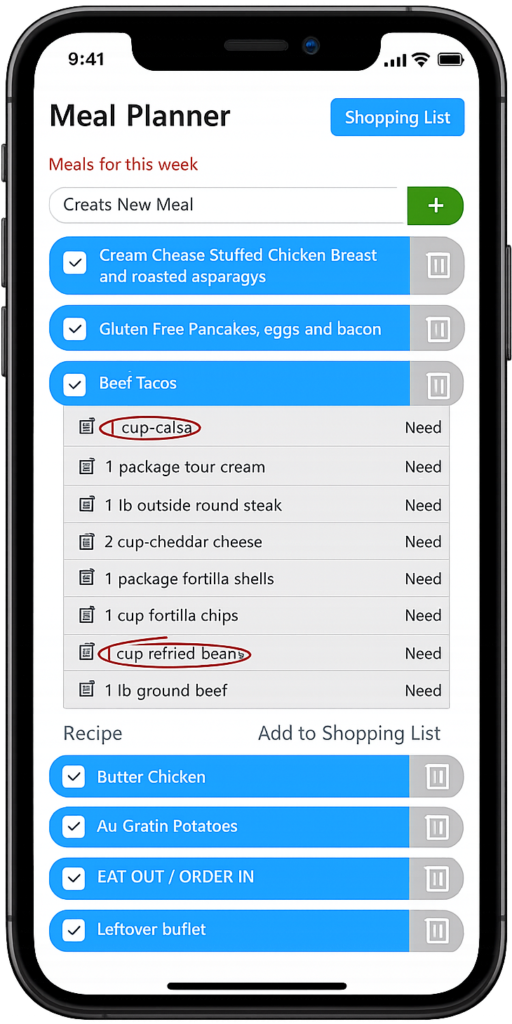
MyGroceryPlan meal planner app displayed on a smartphone showing weekly meals and ingredient list for grocery planning

Stop Screenshotting Recipes

Plan Them Instead

Most recipe websites expect you to screenshot ingredients.

MyGroceryPlan works differently.

You add the meal to your week.

Tap NEED beside ingredients you don’t have.

Your grocery list builds automatically.

• Create your meal plan in minutes
• Send ingredients straight to your grocery list
• Modify recipes instantly

No long-term commitment.

Quick Weeknight Dinners With Leftover Roast Beef

Sliced roast beef reheats quickly, which makes it useful for fast dinners when you do not want to cook another large protein. The thin slices warm in just a few minutes when placed in a skillet with broth or sauce.

This is why leftover roast beef often turns into sandwiches and skillet meals the next day. The meat already has roasted flavor from the oven, so dinner comes together quickly.

Lunch And Next Day Meals Using Leftover Roast Beef

  • Roast Beef Lunch Wraps
  • Roast Beef Cold Sandwiches
  • Roast Beef Grain Bowls
  • Roast Beef Breakfast Hash
  • Roast Beef Caesar Salad

Roast beef often tastes slightly richer the next day because the juices settle back into the meat as it rests in the refrigerator. The slices also firm up slightly, which makes them easier to layer into sandwiches and wraps.

Because the meat is already cooked, many next-day meals require only a quick reheat or no reheating at all.

How To Store And Reheat Leftover Roast Beef

  • Store sliced roast beef in airtight containers
  • Keep some cooking juices or broth with the meat
  • Refrigerate up to four days
  • Reheat gently in a skillet with broth
  • Freeze slices flat in freezer bags for future meals

Roast beef stores well when kept in airtight containers with some of the original cooking juices. The liquid helps prevent the sliced meat from drying out while refrigerated.

Gentle reheating is important because roast beef fibers tighten quickly under high heat. Using broth or au jus keeps the slices tender.

Dinner Gets Easier When The Protein Is Already Cooked

Leftover roast beef gives you a head start on dinner because the meat is already cooked and sliced. Instead of roasting another cut of beef, you can warm the slices and build a meal around them in minutes. This makes it easy to turn yesterday’s roast into sandwiches, soups, bowls, or skillet meals without letting food go to waste.

One protein → multiple dinners

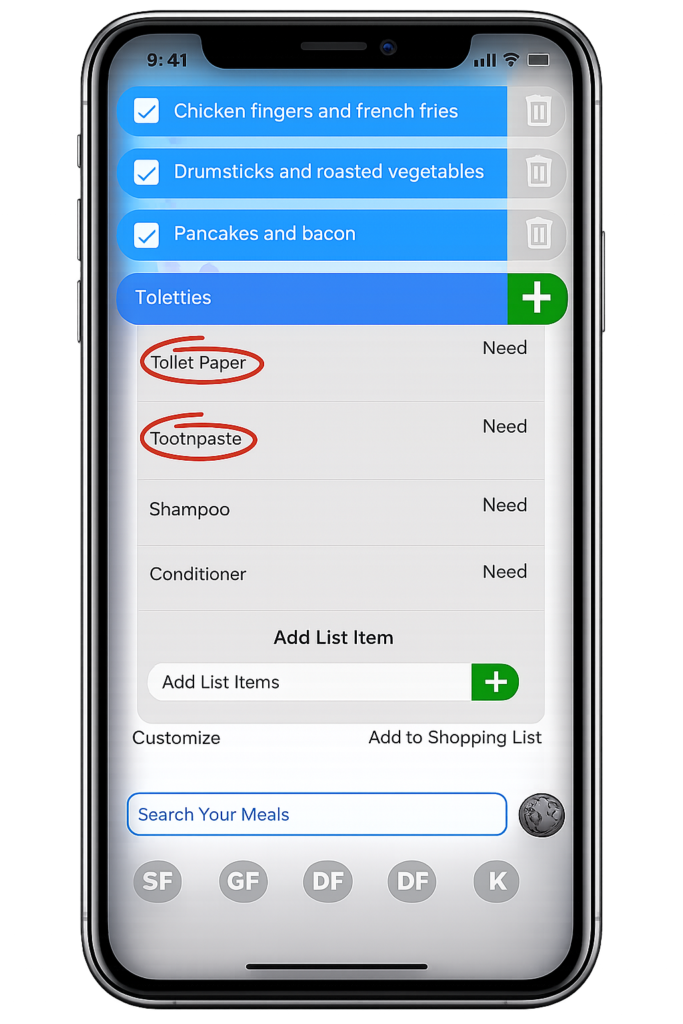
MyGroceryPlan mobile app showing toiletries like toilet paper and toothpaste added to a grocery shopping list inside a smartphone screen

Never Forget Household Essentials

Groceries aren’t just food.

Toothpaste.
Shampoo.
Paper towels.
Laundry detergent.

MyGroceryPlan lets families add
household essentials to the same list
their meals already build.

One list.
Everything you need.

Common Questions About Leftover Roast Beef

What to do with leftover roast beef for dinner?

Leftover roast beef works well in sandwiches, pasta, soups, bowls, and skillet meals. Because the beef is already roasted and sliced, dinner usually requires only reheating and assembling ingredients.

How long does leftover roast beef last in the fridge?

Cooked roast beef can typically be stored in the refrigerator for three to four days when kept in an airtight container.

What is the best way to reheat leftover roast beef without drying it out?

The best method is reheating the slices gently in a skillet with broth or au jus. The liquid warms the beef evenly and keeps the meat tender.

Can you freeze leftover roast beef?

Yes. Roast beef freezes well when stored in sealed freezer bags or containers. Freezing slices flat helps them thaw quickly for future meals.

Why does roast beef become tough when reheated?

Roast beef fibers tighten quickly when exposed to high heat. Reheating slowly with added liquid helps the slices stay tender.