The “What’s For Dinner?” Conversation Is Expensive
Not emotionally.
Financially.
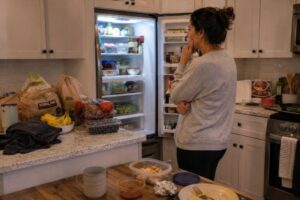
Because most expensive dinners begin with uncertainty.
- No plan.
- No visible leftovers.
- No thawed protein.
- No clear direction.
Now everybody starts mentally negotiating.
“What do you want?”
“I don’t know.”
“What do we even have?”
“There’s nothing here.”
Meanwhile there’s technically food in the house, but nobody can quickly convert it into a meal.
That friction matters.
Because when dinner feels difficult, takeout starts sounding reasonable.
This is why reducing friction matters more than cooking skill.
The easiest kitchens to cook in are usually not the fanciest.
They’re the clearest.
Read next: I Don’t Know What To Make For Dinner
Your Fridge Should Help You Make Decisions Faster
Most fridges are organized around: “Where does this fit?”
Not: “How does this become dinner?”
That difference changes everything.
Because visibility affects usage.
People cook food they can see.
They use leftovers they remember exist.
They build faster meals when ingredients already have assigned jobs.
That’s why simple systems matter:
- leftover zones
- meal prep shelves
- emergency freezer meals
- ingredients grouped by purpose
- visible “eat this first” sections
These systems reduce friction automatically.
Not perfectly.
But enough to prevent kitchen chaos from compounding.
Grocery Disorganization Creates Duplicate Spending
This is one of the sneakiest money drains in a household.
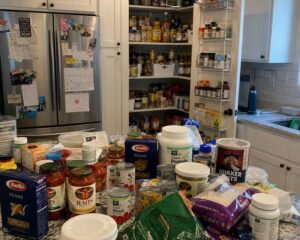
You buy ingredients you technically already own because they were buried, forgotten, hidden, expired invisibly, or disconnected from meals.
This happens constantly with sauces, produce, cheese, condiments, freezer items, and half-used ingredients.
A disorganized kitchen makes inventory tracking almost impossible mentally.
Especially for busy families.
This is also why cleaning out your fridge before grocery shopping saves so much money over time.
Not because it’s aesthetically satisfying.
Because visibility changes purchasing decisions.
Read next: Clean Out Your Fridge Before Grocery Shopping
Your Freezer Should Reduce Stress — Not Create More Of It
A freezer full of random frozen items is not automatically saving money.
A useful freezer supports future dinners.
There’s a difference.
The best freezers contain:
- emergency meals
- repeat family favorites
- backup proteins
- frozen vegetables
- meal components
- leftovers intentionally saved
Not frozen mystery containers from six months ago that require emotional courage to open.
The goal is reducing the number of nights where dinner completely falls apart.
That’s why emergency freezer meals matter so much.
They interrupt expensive chaos.
Read next: Your Freezer Should Be Saving You From Takeout
Read next: Use What You Have In Your Freezer
Leftovers Fail When Nobody Has A Plan For Them
Most leftovers enter the fridge with hope, but no actual future.
That’s the problem.
Leftovers work best when they already have a second purpose.
- Taco meat becomes nachos.
- Chicken becomes wraps.
- Rice becomes fried rice.
- Roasted vegetables become soup.
Without intention, leftovers become emotional clutter incredibly fast.
This is also why designated leftover nights work so well.
They remove decision-making.
And fewer dinner decisions usually means less wasted food.
Read next: How A Weekly Leftover Night Saves Money
The Most Organized Kitchens Usually Aren’t The Most Complicated
This is important.
People imagine organized kitchens require perfection, color-coded containers, extreme meal prep, and endless cooking motivation.
Not true.
Most successful kitchen systems are actually simple.
The goal is just:
- fewer decisions
- less forgotten food
- easier dinners
- calmer grocery shopping
- fewer nightly emergencies
That’s it.
And honestly? That’s why we built MyGroceryPlan in the first place.
Not to create another complicated food app.
To reduce the mental load sitting behind dinner every single day.
The meals, recipes, ingredients, and grocery list stay connected together instead of scattered across paper lists, sticky notes, screenshots, memory, random texts, and half-finished grocery apps.
Because dinner feels dramatically easier when the system already exists before the chaos starts.
Try MyGroceryPlan
Grocery Organization Is Really About Reducing Mental Load
That’s the hidden cost most people miss.
Disorganized groceries create constant low-level stress.
Not because groceries are inherently stressful.
Because disorganization forces your brain to keep re-solving the same problems over and over again.
- What should we eat?
- What needs using?
- What’s already cooked?
- What’s still good?
- What do we need?
- What did I buy this for again?
That mental repetition gets exhausting.
Especially for the person carrying most of the dinner responsibility in the household.
Systems reduce that pressure.
Not by making life perfect.
Just by making dinner easier to recover from when real life inevitably gets messy.